
Creating a productive home office environment can make a significant difference in your work efficiency and overall well-being. Whether you’re working remotely full-time or just need a dedicated space for occasional tasks, having a well-organized and comfortable workspace helps you stay focused and motivated. Here are some practical tips to transform your home office into a productive haven.
Choose the Right Location
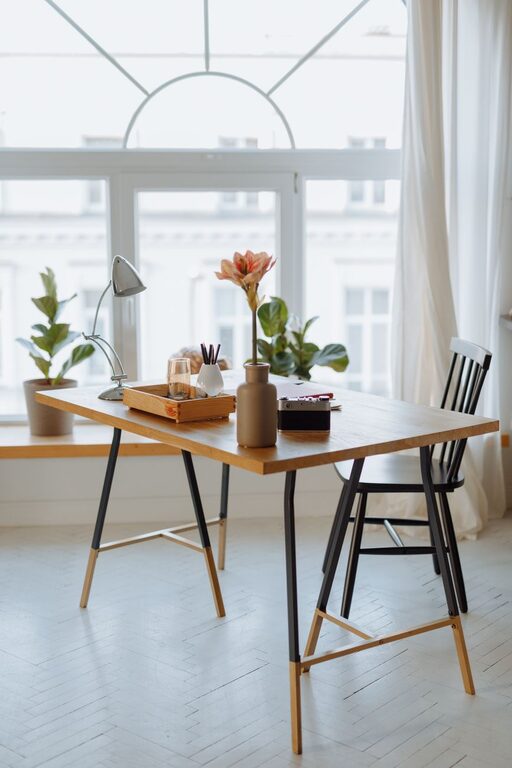
Selecting the best spot for your home office is crucial. Ideally, pick a quiet area with minimal distractions. If possible, find a space with natural light, such as near a window. Natural light helps reduce eye strain and can improve your mood.
When choosing a location, consider the following:
– Availability of outlets for your electronics
– Space for your desk, chair, and storage
– Distance from high-traffic or noisy areas
If space is tight, a corner of a room or a closet conversion can work well, as long as you can separate work from home life.
Invest in Comfortable and Ergonomic Furniture
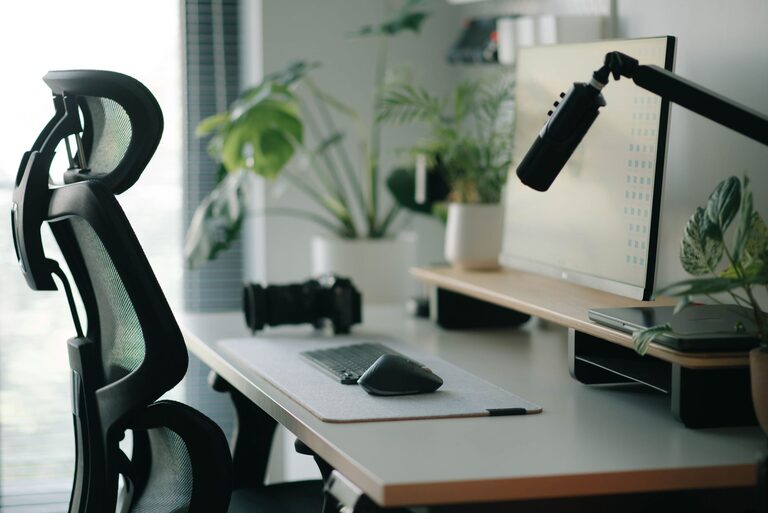
Comfort plays a big role in your ability to focus. A good ergonomic chair supports your back and promotes proper posture, reducing the risk of discomfort or injury during long hours.
Tips for furniture setup:
– Use a desk with enough surface area for your computer, paperwork, and accessories
– Adjust your chair so your feet rest flat on the floor and your knees are at a 90-degree angle
– Position your monitor at eye level to avoid neck strain
– Consider a standing desk or sit-stand converter to vary your posture throughout the day
Taking the time to set up your workspace ergonomically can boost both productivity and comfort.
Keep Your Workspace Organized
Clutter is a common productivity killer. An organized workspace helps you find things quickly and reduces distractions.
Organizing tips include:
– Use drawers, shelves, or filing cabinets to store documents and supplies
– Keep only the essentials on your desk surface
– Implement a system for incoming and outgoing papers, such as trays or folders
– Use cable organizers or clips to manage cords
– Regularly declutter your workspace to maintain order
A tidy environment can help clear your mind and improve focus.
Optimize Lighting
Adequate lighting reduces eye strain and fatigue. Besides natural light, layering your lighting is ideal.
Consider:
– A dedicated desk lamp with adjustable brightness and direction
– Soft overhead or ambient lighting to create a balanced environment
– Avoiding glare on your computer screen by adjusting blinds or repositioning lights
Good lighting contributes to a comfortable atmosphere that supports concentration.
Minimize Distractions
Home offices can come with many distractions, such as household noises, family members, or personal devices.
Strategies to minimize distractions:
– Set clear boundaries with others about your working hours
– Use noise-cancelling headphones or white noise machines
– Turn off or silence non-work-related notifications on your phone and computer
– Keep personal items out of reach during work hours
Creating a distraction-free zone helps you maintain focus and productivity.
Personalize Your Space
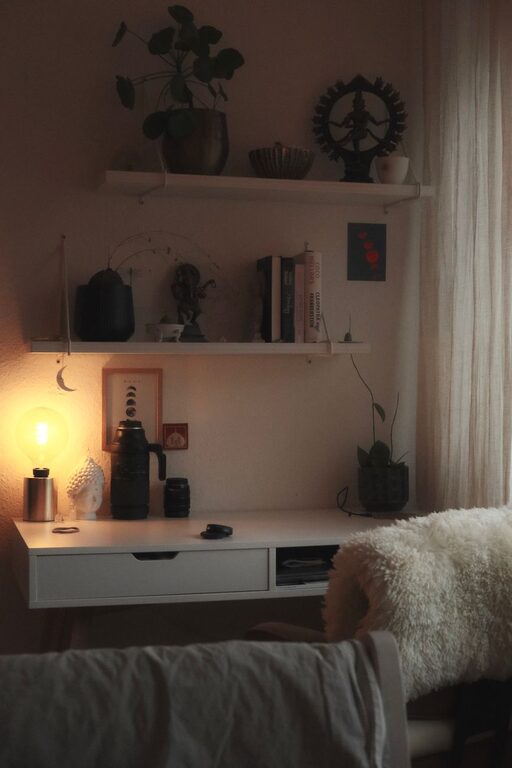
Adding personal touches can make the home office more inviting and inspiring.
Ideas include:
– Adding plants for a touch of nature and improved air quality
– Hanging artwork or photos that motivate you
– Using color schemes you enjoy
– Incorporating scented candles or essential oil diffusers with subtle fragrances
A welcoming environment can boost creativity and make work feel less like a chore.
Establish a Routine and Break Schedule
Having a consistent work routine helps signal to your brain that it’s time to focus.
Tips:
– Start and end work at regular times to create structure
– Dress as if you’re going to the office to mentally prepare for work
– Take short breaks every hour to stretch or walk around
– Use techniques like the Pomodoro method (25 minutes work, 5 minutes break) to maintain energy
Routines and breaks help prevent burnout and keep you productive throughout the day.
Use Technology Wisely
Leverage tools that streamline your workflow.
Suggestions:
– Use task management apps to keep track of assignments
– Set up a reliable internet connection and backup options
– Invest in quality peripherals like keyboards, mice, and webcams
– Keep software and security up to date to avoid disruptions
The right technology supports efficiency and reduces frustration.
Keep Healthy Habits in Mind
Your physical and mental health affect productivity.
Recommendations:
– Stay hydrated; keep a water bottle nearby
– Incorporate movement into your day, such as stretching or quick exercises
– Maintain good posture to avoid strain
– Take eye breaks using the 20-20-20 rule: every 20 minutes, look at something 20 feet away for 20 seconds
Healthy habits create a foundation for sustained focus.
—
By carefully designing your home office environment using these tips, you’ll set yourself up for success. A productive workspace is not just about functionality; it’s about creating a place where you feel motivated, comfortable, and ready to do your best work every day.