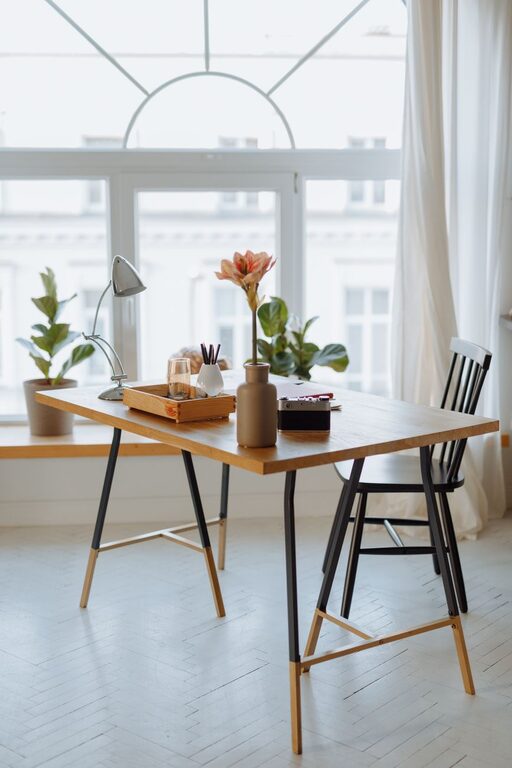
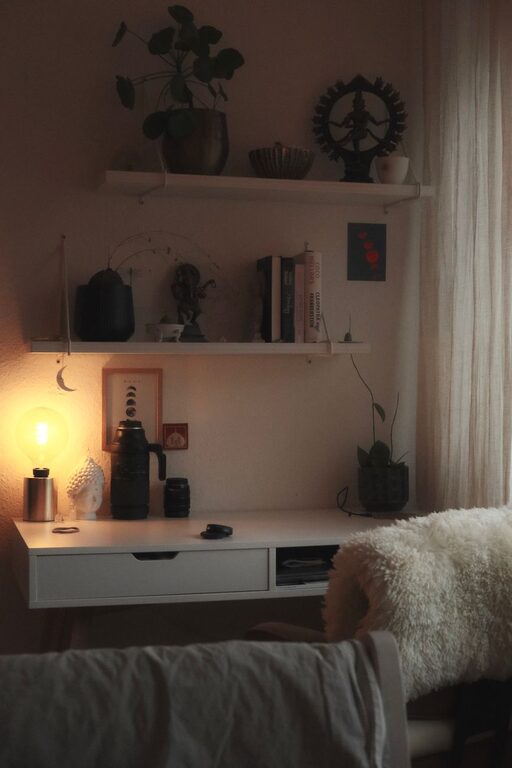
Creating a cozy home environment isn’t just about aesthetics; it’s about building a space where you can feel comfortable, relaxed, and energized to be productive. Whether you work from home, enjoy quiet evenings, or need a spot to recharge, your home’s atmosphere plays a big role in how you feel and perform daily. Here are some practical tips to cultivate a cozy home environment that supports both relaxation and productivity.
1. Prioritize Comfort with Furniture and Layout
Comfort is the foundation of coziness. Invest in furniture that feels good to use and fits your space well.
– Choose ergonomic seating: For work areas, a chair with good back support helps maintain focus and prevents discomfort.
– Add soft textures: Incorporate cushions, throws, and rugs made from soft materials like cotton, wool, or faux fur to invite relaxation.
– Create defined zones: Arrange your furniture to create separate areas for work and rest if possible. This helps your mind switch between focus and downtime.
Tips for layout optimization:
– Keep your workspace tidy and uncluttered to help reduce distractions.
– Position seating to take advantage of natural light and window views.
2. Use Soothing Colors and Lighting
The colors and lighting in your home influence your mood and energy.
– Opt for calming color palettes: Soft neutrals, pastels, and earth tones tend to create a peaceful atmosphere.
– Incorporate layered lighting: Combine overhead lights with task lighting and ambient options like lamps or string lights.
– Adjust brightness: Use dimmers or adjustable bulbs to set lighting appropriate for different tasks or relaxation moments.
– Maximize natural light: Open curtains or blinds during the day to keep your environment bright and uplifting.
3. Bring Nature Indoors
Nature has a calming effect and improves overall well-being.
– Add houseplants: Plants like snake plants, pothos, or peace lilies are easy to care for and add fresh air and greenery.
– Use natural materials: Decor made from wood, stone, or bamboo adds warmth and texture.
– Incorporate outdoor views: If possible, arrange seating to face a garden or window with plants and sky.
4. Control Noise Levels
Sounds can either enhance or disrupt your comfort and productivity.
– Create quiet zones: Use rugs, curtains, and soft furnishings to absorb noise.
– Use white noise: A fan or white noise machine can mask distracting background sounds.
– Play gentle music: Instrumental or nature sounds can improve focus and relaxation.
5. Keep Your Space Clean and Organized
A clutter-free environment lowers stress and increases efficiency.
– Declutter regularly: Donate or store items you no longer need.
– Use smart storage: Baskets, shelves, and containers keep items out of sight but accessible.
– Maintain routines: Spend a few minutes each day tidying up to prevent mess buildup.
6. Personalize Your Space
Your home should reflect your personality and preferences.
– Display meaningful items: Photos, artwork, or souvenirs make your space more inviting.
– Use scent: Candles, essential oil diffusers, or fresh flowers add pleasant fragrances that can relax or energize you.
– Integrate hobbies: Keep craft supplies, books, or musical instruments handy for creative breaks.
7. Create a Technology Balance
Technology plays a role but should not overwhelm your comfy space.
– Designate tech-free zones: For example, keep the bedroom or reading nook free of screens.
– Manage cables: Use cable organizers to prevent tangles and visual clutter.
– Use tech mindfully: Utilize apps or devices that improve productivity and wellness without creating distractions.
8. Incorporate Movement Opportunities
Physical activity helps reduce fatigue and refresh the mind.
– Add space for stretching: Keep a yoga mat or exercise bands nearby.
– Encourage standing breaks: Use a standing desk or take short walks during work sessions.
– Make movement comfortable: Provide cushioned mats or ergonomic supports if you move around at home.
—
Final Thought
Creating a cozy home environment that supports both relaxation and productivity is all about balance. By prioritizing comfort, organizing your space thoughtfully, and incorporating natural elements, you can craft a sanctuary that helps you unwind and work efficiently. Small changes often have a big impact, so start with a few tips that resonate with you and watch your home transform into a place you truly enjoy being.