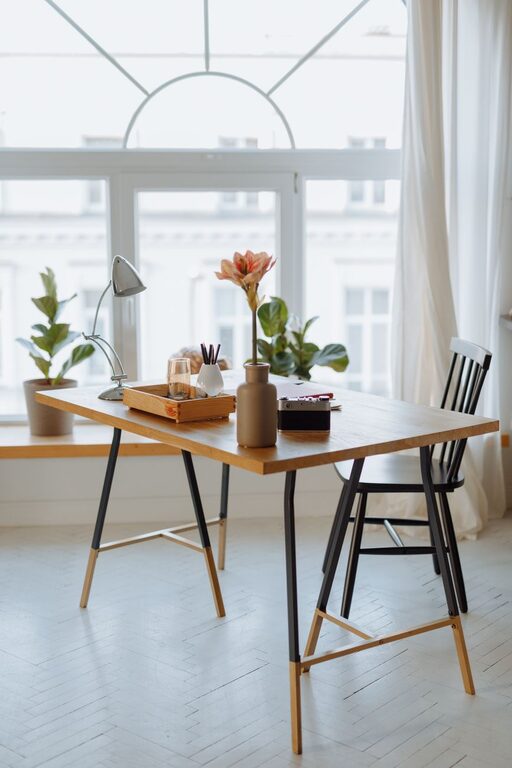
Creating a relaxing home office environment is essential for maintaining focus, reducing stress, and improving overall work productivity. Whether you are working remotely full-time or occasionally, your workspace should be a place where you feel comfortable and inspired. Below are practical tips to help you design and maintain a calming home office that boosts your wellbeing and efficiency.
Choose the Right Location
The first step in creating a relaxing home office is selecting the best spot in your home. Ideally, this space should be quiet, away from high-traffic areas, and well-lit.
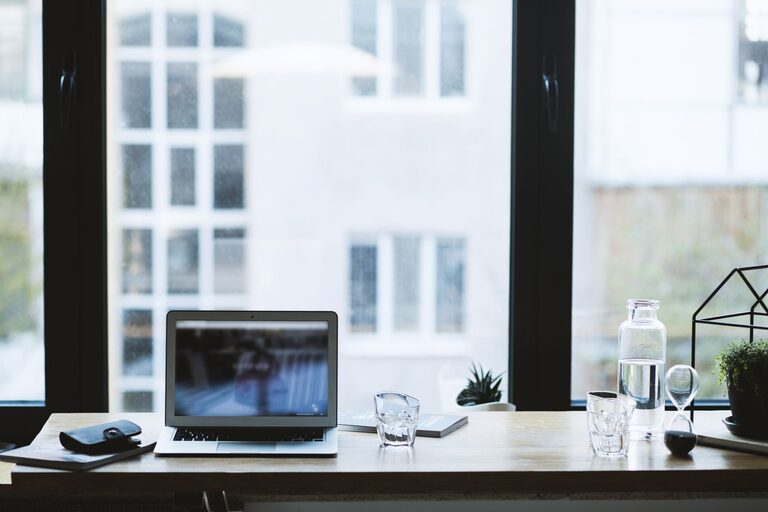
– Natural Light: Position your desk near a window to take advantage of natural light, which can improve your mood and energy.
– Minimal Distractions: Pick a spot where noise and interruptions are limited to help you concentrate.
– Dedicated Space: If possible, use a room or corner solely for work to set clear boundaries between your professional and personal life.
Invest in Comfortable Furniture
Comfort is key to a relaxing workspace. Avoid sitting on uncomfortable chairs or using an unstable desk, as these can cause strain and discomfort over time.
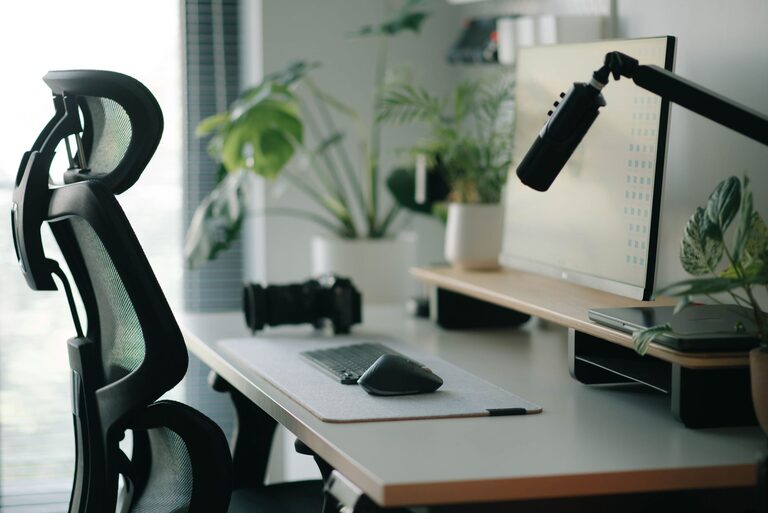
– Ergonomic Chair: Invest in a chair that supports your posture and reduces back pain.
– Adjustable Desk: Consider a desk with adjustable height or enough space so you can organize your work essentials comfortably.
– Footrest and Accessories: Accessories like footrests or keyboard trays can enhance comfort and reduce fatigue.
Keep Your Workspace Organized
A cluttered space can lead to a cluttered mind. Keeping your workspace tidy and organized creates a sense of calm and helps you focus.
– Storage Solutions: Use shelves, drawer organizers, or filing cabinets to keep documents and supplies neatly stored.
– Daily Cleanup: Spend a few minutes at the end of each day clearing your desk.
– Minimal Essentials: Keep only what you need for daily tasks on your desk to reduce visual distractions.
Use Calming Colors and Decor
Colors and decor affect your mood, so choose elements that promote relaxation.
– Soft, Neutral Colors: Shades of blue, green, beige, or gray are known to have calming effects.
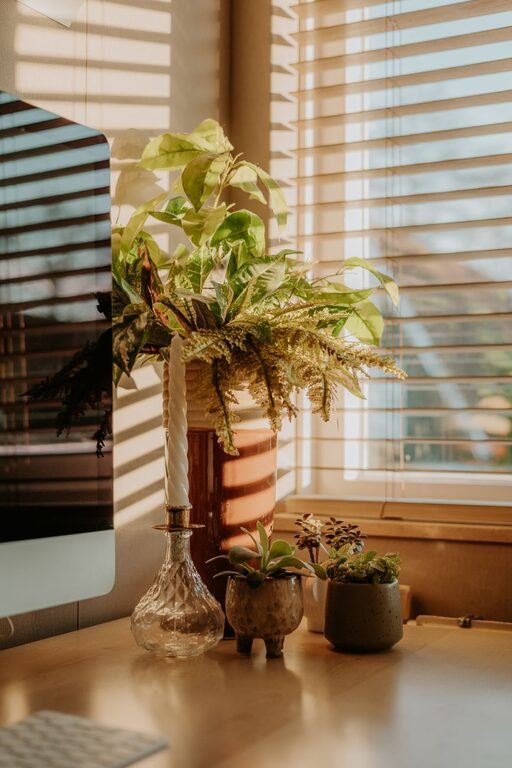
– Plants: Adding greenery brings life into your space and can reduce stress.
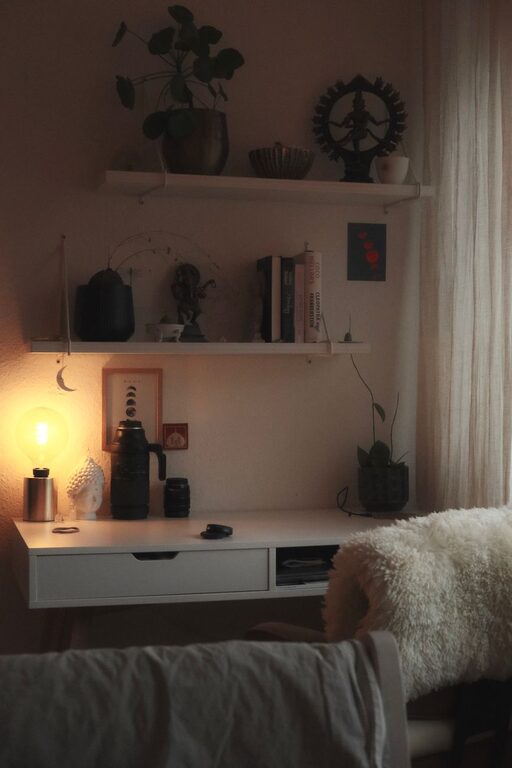
– Personal Touches: Include items such as photos, artwork, or inspirational quotes that boost your motivation without cluttering the area.
Control Lighting and Reduce Screen Glare
Proper lighting reduces eye strain and helps maintain alertness.
– Layered Lighting: Combine natural light with adjustable task lighting like desk lamps.
– Avoid Glare: Position screens to avoid reflections from windows or overhead lights.
– Warm Light Bulbs: Opt for bulbs that emit warm light in the evening to ease the transition to relaxation after work.
Incorporate Soothing Sounds
Background noise can either be distracting or soothing. Consider what works best for you to maintain focus.
– Soft Music: Use calm instrumental music or nature sounds to create a peaceful atmosphere.
– Noise-Canceling Headphones: These can help block disruptive sounds, especially if your home is noisy.
– White Noise Machines: A steady ambient sound may help some people concentrate better.
Maintain Good Air Quality
Fresh air boosts brain function and energy levels.
– Ventilation: Keep windows open when possible to allow airflow.
– Air Purifiers: Use an air purifier to reduce allergens and dust.
– Indoor Plants: Many plants improve air quality while adding greenery to your office.
Set Boundaries and Schedule Breaks
A relaxing home office is not just about the physical space but also about how you manage your time.
– Work Hours: Define clear work hours and stick to them to separate work from personal life.
– Breaks: Take regular short breaks to stretch, move around, or relax your eyes.
– Avoid Overworking: Don’t keep working in your home office long after your official workday ends.
Personal Wellness Practices
Integrating small wellness habits can enhance relaxation and reduce work stress.
– Mindfulness or Meditation: Use apps or simple breathing exercises during breaks.
– Hydration and Snacks: Keep water and healthy snacks nearby.
– Exercise: Incorporate stretches or light exercises to stay energized.
—
By applying these tips, you can transform your home office into a peaceful and productive zone. Remember, a relaxing workspace supports both your professional success and personal well-being, making remote work a more enjoyable experience.