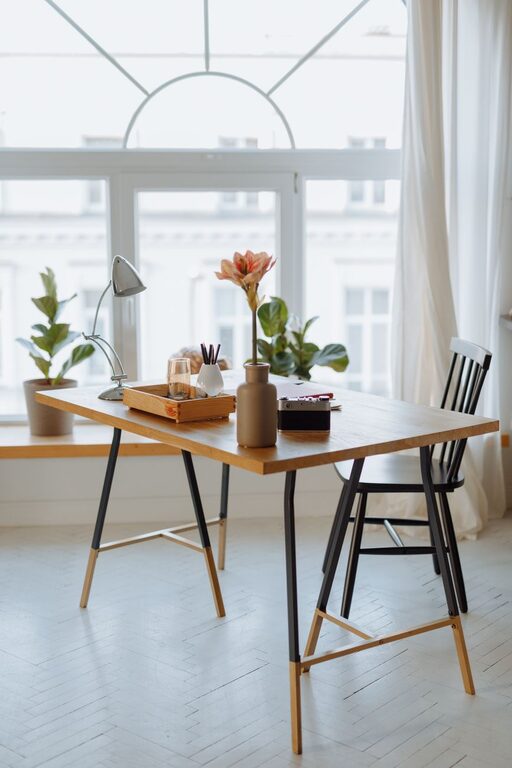

Creating a cozy and inviting home workspace is essential for anyone looking to balance comfort and productivity. Whether you’re working remotely full-time or just need a dedicated corner for focused tasks, designing a space that feels welcoming and efficient can make all the difference. Here are some practical tips to help you transform your home workspace into an enjoyable and inspiring environment.
1. Choose the Right Location
Finding the perfect spot in your home is the first step. Ideally, select a quiet area with minimal distractions and good natural light.
– Near a Window: Natural light improves mood and reduces eye strain.
– Away from High-Traffic Areas: This helps maintain focus.
– Comfortable Temperature: Make sure the space isn’t too cold or hot.
If space is limited, even a small nook or a portion of a room can be organized thoughtfully.
2. Invest in Comfortable and Supportive Furniture
Comfort is key when you spend hours at a desk. Prioritize ergonomic furniture to keep your posture healthy and reduce fatigue.
– Ergonomic Chair: Look for adjustable height, lumbar support, and cushioning.
– Desk Size: Ensure your desk fits your computer and other essentials without feeling cramped.
– Sit-Stand Options: Consider a desk that can alternate between sitting and standing positions.
Adding a footrest or cushioned seat can boost comfort further.
3. Use Soothing and Uplifting Colors
Colors influence mood and energy levels. Choose hues that promote calm and concentration.
– Soft Neutrals: Light grays, creams, and pastels create a peaceful vibe.
– Accent Colors: Use pops of green or blue for a calming effect.
– Personal Preference: Pick colors that make you feel happy and relaxed.
Avoid overly bright or harsh colors that might cause agitation or distraction.
4. Organize with Purposeful Storage
Clutter can kill productivity. Keep your workspace tidy and inviting with smart storage solutions.
– Shelves and Drawers: Use for books, supplies, and files.
– Desktop Organizers: Keep essentials like pens, notepads, and chargers within reach.
– Cable Management: Use ties or covers to keep cords neat and prevent tangling.
Regularly declutter to maintain a clean environment that supports creative thinking.
5. Incorporate Personal Touches
Adding personal elements makes your workspace more inviting and inspiring.
– Photos and Art: Choose images that motivate or relax you.
– Plants: Greenery improves air quality and adds warmth.
– Decorative Items: Incorporate items like candles, small sculptures, or travel souvenirs.
These touches create an environment reflecting your style and personality.
6. Optimize Lighting for Comfort and Focus
Good lighting reduces eye strain and keeps energy levels up.
– Layered Lighting: Combine ambient light with task lighting.
– Desk Lamps: Adjustable LED lamps provide bright, focused light.
– Avoid Glare: Position screens to minimize reflection from windows or lights.
Dimmer switches or smart bulbs give you control over the lighting mood.
7. Minimize Noise and Distractions
Noise can interrupt your flow. Take steps to reduce sound distractions in your workspace.
– Noise-Cancelling Headphones: Helpful in noisy environments.
– Soft Furnishings: Rugs and curtains absorb sound.
– White Noise Machines: Create a consistent sound environment to block disruptions.
When possible, communicate your work schedule to family or housemates to reduce interruptions.
8. Keep Essential Tech and Supplies Handy
Efficiency improves when everything you need is within easy reach.
– Reliable Internet Connection: A strong Wi-Fi or wired connection boosts productivity.
– Charging Station: Set up a spot for keeping devices powered.
– Stationery: Stock up on commonly used items like notebooks, pens, and sticky notes.
Using wireless accessories can reduce clutter and allow more freedom of movement.
9. Take Breaks with a Cozy Seating Area
If space permits, include a comfortable chair or small couch for short breaks.
– Relaxation Spot: Use this area to stretch, read, or meditate.
– Add Soft Textiles: Throw blankets and cushions enhance coziness.
– Natural Elements: A nearby plant or a small water fountain can create a soothing atmosphere.
Taking regular breaks helps refresh your mind and maintain productivity.
10. Keep Your Workspace Flexible and Adaptable
Your needs may change, so design your workspace to be adjustable.
– Modular Furniture: Pieces that can be rearranged or expanded.
– Multi-Use Desk: A space that doubles as a creative corner or dining spot.
– Storage on Wheels: Easy to move when reorganizing.
Flexibility lets you maintain comfort even as your work habits evolve.
—
Designing a cozy and inviting home workspace doesn’t need to be complicated. By focusing on comfort, organization, lighting, and personal touches, you can create an environment where work feels less like a chore and more like a pleasure. Remember, the best workspace supports your well-being and allows your creativity and focus to flourish. Happy decorating!