
Creating a workspace at home that feels both cozy and productive can transform how you work and improve your overall well-being. Whether you’re working remotely full-time or just need a dedicated spot to focus on tasks, a well-organized, comfortable area helps keep distractions at bay and motivation high. This guide shares practical tips to help you design a home workspace that balances comfort with efficiency.
Choose the Right Location
Picking the perfect spot is the first step. Ideally, your workspace should be somewhere quiet, with minimal foot traffic, and good natural light.
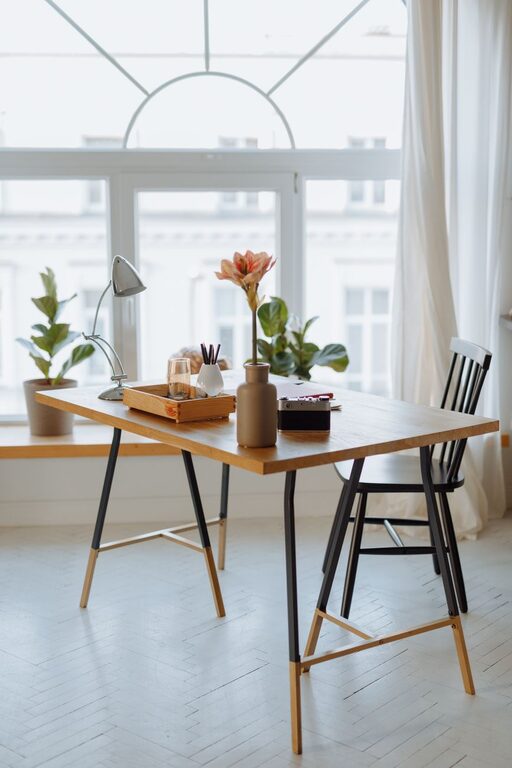
– Natural Light: Position your desk near a window if possible. Natural light can boost mood and energy.
– Low Traffic Area: Choose a corner or room where you won’t be interrupted by family members or household noise.
– Space to Move: Make sure there’s enough room to stretch and move around comfortably.
If space is limited, you can still find or create a niche – even a small desk in an unused corner can work wonders.
Invest in Comfortable Furniture
Comfort is key to staying productive and avoiding physical strain.
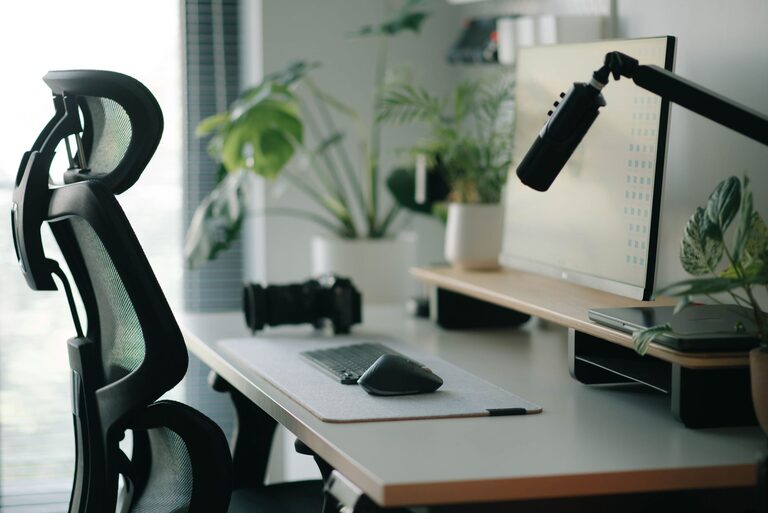
– Ergonomic Chair: Choose a chair that supports your lower back and encourages good posture. Adjustable height and backrests are a plus.
– Desk Height: Your desk should allow your arms to rest comfortably at a 90-degree angle while typing.
– Standing Options: Consider a sit-stand desk or a desk converter to vary your position throughout the day.
Proper furniture reduces fatigue and helps you focus longer without discomfort.
Organize Your Space for Focus
Clutter can be distracting and overwhelming. A tidy workspace promotes focus and efficiency.
– Storage Solutions: Use shelves, drawers, or filing cabinets to keep documents organized.
– Desk Essentials: Keep only what you need on your desk to minimize distractions.
– Cable Management: Use clips or sleeves to keep cords neat and out of the way.
Develop a habit of tidying your desk at the end of each day to maintain a clean environment.
Personalize for Comfort and Inspiration
Adding personal touches makes your workspace inviting and can inspire creativity.
– Plants: Small indoor plants improve air quality and add a calming natural element.
– Artwork or Photos: Inspirational images or photos of loved ones can boost mood.
– Lighting: Use a desk lamp with adjustable brightness for task lighting during darker hours.
Personalization should enhance your motivation without cluttering your space.
Prioritize Good Lighting
Besides natural light, proper artificial lighting is essential.
– Avoid Glare: Position your computer screen perpendicular to windows to reduce glare.
– Task Lighting: Use desk lamps that focus light on your work surface without causing shadows.
– Soft Ambient Light: Combine task lighting with softer room lighting to reduce eye strain.
Good lighting helps prevent headaches and maintains alertness.
Create a Routine and Boundaries
A cozy workspace is helpful, but setting routines and boundaries is just as important for productivity.
– Work Hours: Define your work hours and communicate them to those you share your space with.
– Breaks: Schedule regular breaks to stretch and rest your eyes.
– Separate Work from Leisure: Avoid using your workspace for non-work activities to maintain focus.
Creating mental and physical boundaries helps keep work and personal life distinct.
Use Technology Wisely
Technology is vital for a modern workspace but should support, not hinder, your productivity.
– Reliable Internet: Ensure your connection is stable for meetings and tasks.
– Noise-Cancelling Headphones: These can help block distractions in noisy home environments.
– Task Management Apps: Use digital tools to organize tasks and deadlines efficiently.
Keep your digital space as organized as your physical one to reduce stress and distractions.
Maintain Comfort with Climate Control
Your comfort also depends on the temperature and air quality in your workspace.
– Ventilation: Open windows when possible or use a fan to keep air circulating.
– Temperature: Use a space heater or fan to maintain a comfortable temperature.
– Humidity: Add a small humidifier if air tends to be dry, especially in winter months.
Comfortable climate conditions help you stay alert and focused throughout the day.
Final Thoughts
Designing a cozy and productive home workspace involves thoughtful choices in location, furniture, lighting, and organization. Adding personal touches and setting clear routines can transform any space into a place where you want to spend your workday. Start small and adjust your setup as you learn what works best for your needs and habits. A well-crafted workspace not only boosts productivity but also supports your overall happiness and well-being while working from home.