Creating a cozy and functional home office space can greatly enhance your productivity and overall work experience. Whether you work from home full-time or occasionally need a dedicated spot for tasks, the right environment helps you stay focused and comfortable throughout the day. Here are some practical tips to help you design a home office that balances coziness with functionality.
Choose the Right Location
Picking a quiet and well-lit area is the foundation of a successful home office. Consider these factors:
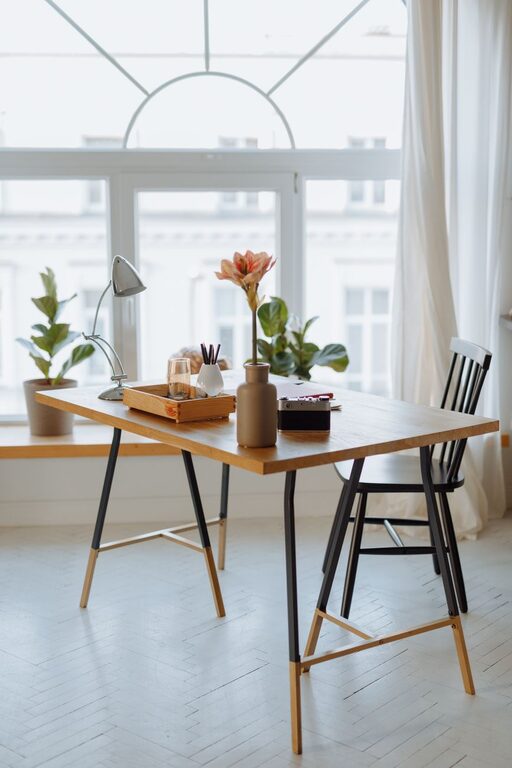
– Natural Light: Place your desk near a window to enjoy daylight, which can boost mood and reduce eye strain.
– Privacy: Select a spot away from high-traffic areas to minimize distractions.
– Space: Ensure there’s enough room for your computer, paperwork, and any other tools you need.
If you don’t have a dedicated room, look for overlooked spaces like a corner in the living room or bedroom, or even under the stairs.
Invest in Comfortable, Supportive Furniture
Comfort is key to working efficiently without physical strain.
– Ergonomic Chair: Choose a chair that supports your back, promotes good posture, and is adjustable to your height.
– Desk Height: Your desk should allow you to type with your elbows at about a 90-degree angle.
– Additional Seating: Consider a small lounge chair or cushion for reading or taking breaks.
Remember, comfort reduces fatigue and increases focus.
Optimize Lighting
Good lighting reduces eye strain and creates a welcoming ambiance.
– Layered Lighting: Use a combination of overhead lights, desk lamps, and natural light.
– Task Lighting: A focused desk lamp with adjustable brightness helps for detailed work.
– Warm vs. Cool Light: Warm light creates a cozy vibe; cool light tends to be more energizing. Find a balance that suits your preferences.
Avoid glare on your screen by positioning lights and monitors thoughtfully.
Organize Your Workspace Efficiently
A clutter-free workspace keeps your mind clear and helps you find things quickly.
– Storage Solutions: Use shelves, drawers, and filing cabinets to keep papers and supplies organized.
– Cable Management: Utilize clips, sleeves, or boxes to prevent tangled wires.
– Desktop Essentials: Keep only necessary items on your desk to maintain a tidy surface.
Consider everyday items like a bulletin board or whiteboard for notes and reminders.
Add Personal and Cozy Touches
Creating a space that feels inviting encourages you to spend more productive time there.
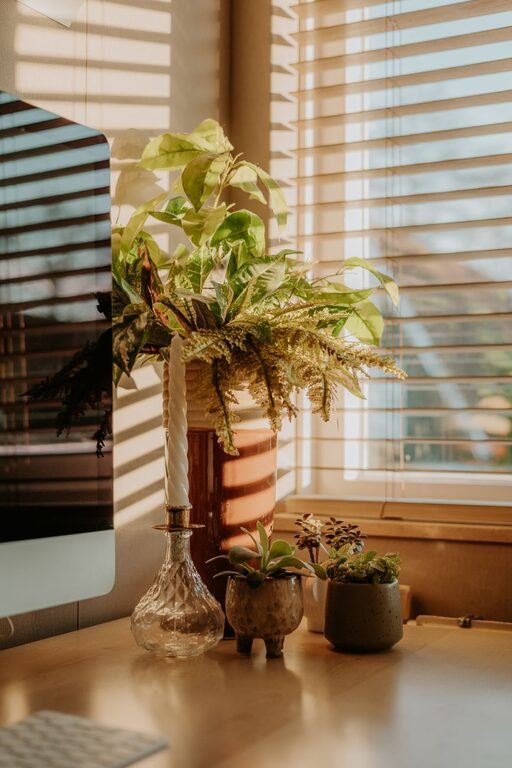
– Plants: Indoor plants improve air quality and add a calming natural element.
– Textiles: Include a soft rug, cozy throw blanket, or cushions to add warmth.
– Artwork and Photos: Display images that inspire or relax you.
– Scent: A subtle fragrance from a candle or diffuser can enhance mood.
Be mindful to keep these items minimal to avoid clutter.
Use Technology to Your Advantage
Technology should simplify your work, not complicate it.
– Reliable Internet: Ensure your home office has a strong Wi-Fi signal or wired connection.
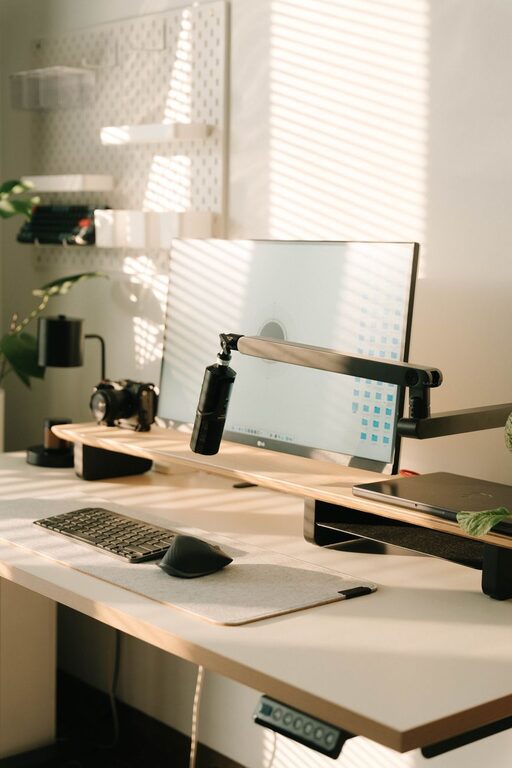
– Accessories: Invest in a good keyboard, mouse, or headset to improve comfort and efficiency.
– Screen Setup: Consider dual monitors if your work requires multitasking.
Backup your work regularly and keep your software updated to avoid disruptions.
Establish Routines and Boundaries
Creating habits helps maintain productivity and work-life balance.
– Set a Schedule: Define your working hours and stick to them as much as possible.
– Designate “Work-Only” Areas: Avoid using your workspace for leisure to mentally separate work time.
– Take Breaks: Regular short breaks prevent burnout and keep you refreshed.
Communicate your schedule to family or housemates to minimize interruptions.
Keep it Flexible
Your needs might change over time, so make your home office adaptable.
– Modular Furniture: Pieces that can be rearranged or moved help accommodate different tasks.
– Multi-purpose Space: If the room serves more than one function, use folding screens or room dividers to separate work from relaxation.
– Seasonal Adjustments: Change lighting, textiles, or décor according to the season for ongoing comfort.
Staying flexible means your home office will continue to serve you well.
—
Designing a cozy and functional home office doesn’t require a big budget or lots of space. By focusing on comfort, organization, lighting, and personal touches, you can create a welcoming spot that inspires productivity every day. Start small, evaluate what works best for you, and enjoy your new, efficient workspace!